Bridges
I wrote an article about battery developments in China, and in that article related our first out of town trip in our EV1. In that article, I referred to a Substack article which detailed more about the solid state battery developments in China. That same Substack article also referred to a bridge built in Guizhou, one of the poorer provinces of China2.
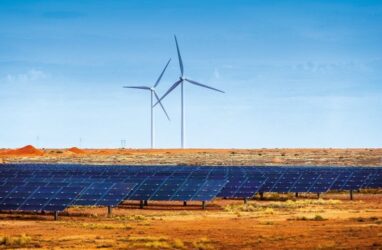 Ground-breaking hybrid renewables system installed at an outback opal mining town in South Australia is claiming a new record for continuous diesel-free operations.
 Amid fresh global conflict, the UK government is rolling out new measures to bolster national energy security, including approving the sale of "plug-in solar."
 Queensland set two new instantaneous power generation records over the weekend, offering a useful snapshot of how the state's supply mix is evolving across the full day.
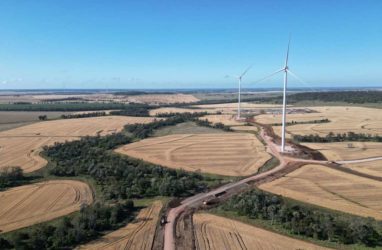
 Publicly-owned gentailer completes final concrete turbine foundation at what is the state's first new wind farm development in several years.
 The real anathema in the modern Australian economy is not renewable energy, but the idea that our prosperity depends on shipping prehistoric hydrocarbons halfway around the planet.
 What will it take for regional communities to move from hosting renewable projects to sharing in their long-term value?