Australia’s rental crisis continues to worsen as population growth driven by immigration exceeds supply. According to Cotality, nationally advertised rents have soared by 47% since the end of 2019, adding nearly $11,500 to the annual cost of renting for the median tenant: Rental affordability in Australia is now tracking at an all-time low, with the
 A maritime mystery dating back to the 1870s has been solved thanks to the seafloor surveys of an offshore wind project proposed for Victorian waters.
The post “Ironic twist of history:” Offshore wind developer solves 150-year old mystery of sunken coal ship appeared first on Renew Economy.
 Queensland is more or less actively encouraging more state disasters via coal and gas investment. This means “prepare and repair” will continue to offer investment opportunities.
The post Queensland’s “prepare and repair” disaster economy – brought to you by coal and climate change appeared first on Renew Economy.
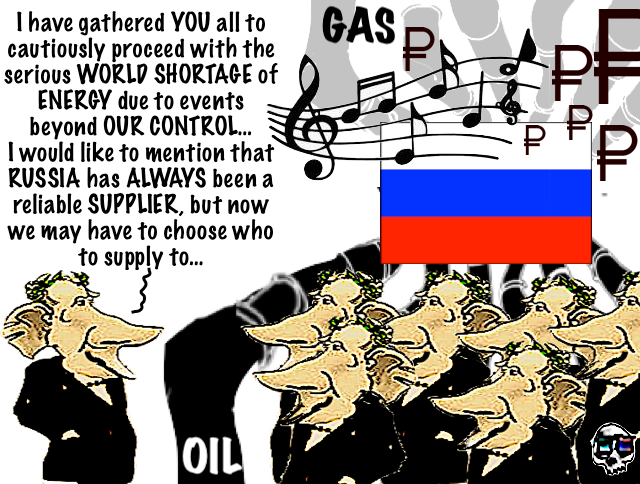
In a high-stakes move that has sent shockwaves through global energy markets, Russian President Vladimir Putin has officially entered the "Oil War," ordering an immediate pivot of Russia's vast energy resources away from Europe.
Modern construction increasingly prioritises materials that combine durability, aesthetic appeal, and sustainability. Stainless steel sheets exemplify this balance, offering architects and builders a versatile and dependable solution for a wide range of projects. Their adaptability, longevity, and functional benefits are reshaping contemporary construction practices, providing a material that meets both practical and creative demands.
2:04 – The draft boundaries for the Queensland state redistribution are apparently due to be published some time this afternoon. I expect the maps to be published on this website.
Unfortunately this is a bit of an inconvenient time for myself – I will attempt to analyse them as quickly as possible but a full analysis may need to wait for tonight or tomorrow.
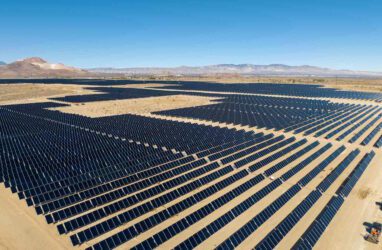 Head of energy policy in world's fourth biggest economy says scale and pace of energy transition is unprecedented, but the fossil fuel industry is fighting back.
The post “A tidal wave of hostile messaging:” The billions spent each year by the fossil fuel industry demonising renewables appeared first on Renew Economy.
 First sod has been turned at one of Australia's biggest DC-coupled solar battery hybrid projects, heralding a major change to the generation profile of large-scale PV.
The post Solar, storage and sheep: First sod turned at game-changing hybrid PV and battery project appeared first on Renew Economy.
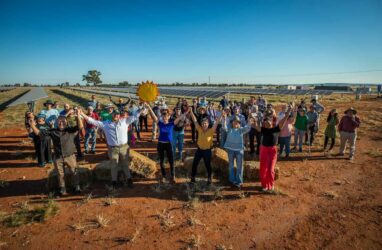 New report says truly partnering with communities on renewables – including through project co-ownership – could slash the time and money lost to planning hurdles and local opposition.
The post Co-ownership vs consultation: Landmark report proposes faster, cheaper path to renewables appeared first on Renew Economy.
The Australian Greens have promised to waive through various tax reforms impacting superannuation and property investment, in a bid to boost budget revenue and improve equity. After months of pushing for amendments, the Greens have agreed to pass the extra 15% tax on earnings from super balances above $3 million without changes (i.e., Division 296).

The proverb “revenge is a dish best served cold” traces to French (“La vengeance se mange froide”), appearing in English literature by the 19th century. Most Americans do not know the French orign of the proverb… It entered popular culture thanks to Star Trek. In Star Trek II: The Wrath of Khan (1982), Khan Noonien Singh delivers the line during a tense video call with Admiral Kirk:
 A heated debate over network pricing: should electricity tariffs reward households that cut their reliance on the grid, or should everyone pay more to simply stay connected?
The post SwitchedOn podcast: Are solar households shifting electricity costs onto everyone else? appeared first on Renew Economy.
Victoria’s 2025‑26 Mid‑Year Financial Report was released on Friday and showed that the state’s net debt has increased by $10 billion in six months, reaching $160.9 billion: Net debt as a share of the state economy has risen from 23.7% to 24.2% in six months. Interest costs are also escalating. $3.8 billion was spent on interest
In a previous article, I detailed part of drive to Sydney in our then relatively new EV, the main part of that article was about battery developments in China1. However, we recently embarked on another road trip, driving from Canberra to Adelaide and back, a distance of about 3,000 kilometres all up (including side trips).